Manterra: Authentic Handwriting for Modern Design
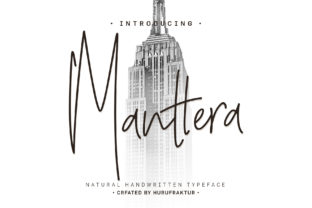
In a digital world saturated with uniformity, the human touch can be the most powerful differentiator. This is where Manterra emerges as a vital creative asset. It is an authentic, natural handwritten script font, meticulously crafted using a real ballpoint pen. Designed to re-create the organic flow of genuine pen strokes, it includes a set of alternate characters that allow designers to achieve those uniquely free-flowing, imperfect lines that define true handwriting. This level of authenticity moves beyond mere decoration; it becomes a strategic tool for visual communication.
The Role of Authentic Typography in Brand Identity
Typography is a cornerstone of brand identity. While clean sans-serifs and traditional serifs convey stability and professionalism, a script like Manterra communicates personality, approachability, and creativity. Its value lies in its ability to evoke emotion and create an immediate, personal connection with the audience. For a graphic designer, selecting such a typeface is not just an aesthetic choice—it's a decision about the voice and character of the brand itself. It can soften corporate tones, add whimsy to lifestyle brands, or inject energy into creative projects.
Practical Applications Across Creative Projects
The versatility of a well-crafted handwritten font makes it a valuable component in any design workflow. Its applications extend far beyond simple greeting cards, offering practical solutions for a range of professional needs.
- Branding and Logo Design: Incorporate Manterra into logos, wordmarks, or taglines for boutique businesses, artisanal products, personal brands, or creative agencies to instantly convey a bespoke, human-centric feel.
- Marketing and Social Media Graphics: Use it for headlines, quotes, or call-to-action text in digital marketing materials. Its natural texture stands out in feeds, enhancing engagement on platforms like Instagram and Pinterest.
- Web and UI Design: Apply it sparingly for hero section headlines, pull quotes, or specific UI elements where a touch of personality is needed, ensuring it remains highly readable against a clean background.
- Packaging and Editorial Design: It excels in creating authentic, artisanal vibes on product labels, book covers, or magazine layouts, adding a layer of tactile realism to print design.
- Presentations and Digital Products: Break the monotony of standard slide decks or enhance the perceived value of digital downloads like planners, templates, and worksheets with its inviting script.
Integrating Manterra into Your Design Workflow
Effectively using a font like Manterra requires more than just dropping it into a layout. Thoughtful integration ensures it enhances, rather than hinders, your design goals. Always consider the principles of visual hierarchy and readability. A script font is typically best suited for display purposes—headlines, short phrases, or accents—not for long paragraphs of body copy.
Pair it with complementary typefaces to create balance. A clean, geometric sans-serif or a classic serif can provide a stable foundation, allowing the handwritten script to shine as a focal point without causing visual chaos. Pay close attention to color palette selection; natural, muted tones often complement its organic feel, while a bold, contrasting color can make a modern statement.
Before finalizing any design, test for scalability. Ensure the font remains legible and retains its character when scaled up for large formats or down for small icons. Most importantly, align its use with your audience's expectations and the project's core message. The goal is to use Manterra to strengthen the narrative, not distract from it.
Elevating Communication Through Thoughtful Assets
Ultimately, the most impactful designs are those that communicate a message with clarity and resonance. Quality creative assets like Manterra are tools that empower designers and creators to achieve this. By choosing typography that embodies authenticity and intention, you invest in the emotional and aesthetic quality of your work. This thoughtful approach to design not only elevates the visual appeal of a project but also deepens its connection with the intended audience, proving that the details are not just details—they make the design.