Calysta Mode: A Handwritten Font for Friendly Branding
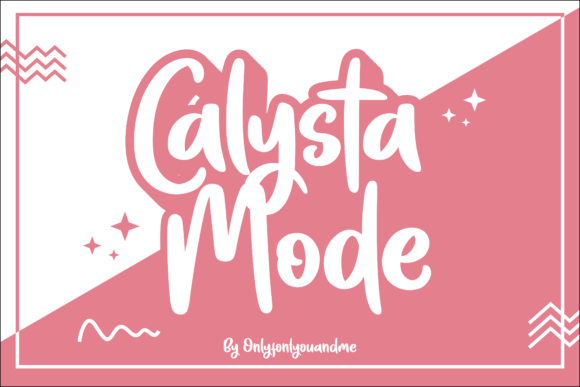
In the world of visual design, typography carries the voice of your message before a single word is read. The right font choice instantly sets a tone, builds a connection, and guides the viewer's experience. For projects aiming for warmth, approachability, and a personal touch, Calysta Mode is a cute and friendly handwritten font that excels in creating that immediate, heartfelt connection.
Understanding the Role of Friendly Typography
Modern graphic design often seeks to bridge the digital and the personal. While sleek, geometric sans-serifs dominate UI design for clarity, handwritten fonts like Calysta Mode inject humanity and emotion into a brand's identity. This style of typography is not about replicating exact handwriting but about evoking its organic, imperfect charm. It signals authenticity, creativity, and a down-to-earth personality, making it a powerful tool for specific applications within a broader visual system.
Practical Applications Across Creative Projects
The versatility of a well-designed handwritten font is vast. Calysta Mode, with its clear legibility and friendly curves, is particularly effective for projects where connection is key. Consider its use in:
- Branding and Logo Design: Ideal for boutique shops, artisanal products, cafes, wedding planners, or any business wanting to emphasize a personal, hands-on approach. It can form the basis of a logo or be used as a complementary script for taglines.
- Marketing Materials: Elevates social media graphics, Instagram Stories, and Facebook posts with a conversational, relatable tone. It’s perfect for quotes, announcements, and calls-to-action that feel like a friend speaking.
- Editorial and Web Design: Can be used sparingly for pull quotes, section headers, or blog post titles in lifestyle, food, or DIY niches to break the monotony of body text and add visual interest.
- Packaging and Merchandise: This is where Calysta Mode truly shines. It’s great for shirts, mugs, Valentine's Day cards, doormats, signs, and crafts. The font translates beautifully to physical products, adding a custom, crafted feel that customers love.
- Digital Products and Presentations: Adds personality to digital planners, e-book covers, and slide decks, making them more engaging and memorable for the audience.
Integrating Calysta Mode into Your Design Workflow
Successfully incorporating a specialty font like Calysta Mode requires thoughtful execution within your overall design system. The goal is to enhance, not overwhelm. A core principle is to maintain strong visual hierarchy. Pair it with a clean, neutral sans-serif or serif font for body copy to ensure readability and professional contrast. Use Calysta Mode for headlines, logos, or short bursts of text to maximize its impact.
When evaluating any creative asset, consider these factors:
- Readability at Scale: Test the font in the sizes you’ll use most. While decorative, Calysta Mode is designed to remain legible on small merchandise tags and large signage alike.
- Consistency with Brand Identity: Does the font's personality align with your brand's voice? Its friendly nature suits brands that value community, warmth, and approachability.
- Compatibility: Ensure it works harmoniously with your existing color palette, imagery style, and other typography. It should feel like a natural extension of your brand's world.
Thoughtful design is about making intentional choices that serve both form and function. Selecting a typeface is a foundational decision that influences every subsequent element, from color palette to layout composition. Quality creative assets like Calysta Mode are not just decorative; they are tools for effective visual communication. By choosing typography that resonates emotionally and supports your message, you strengthen your brand identity, improve user engagement, and create designs that are not only beautiful but also deeply effective. The right font doesn’t just display words—it tells a story and builds a relationship with the viewer.