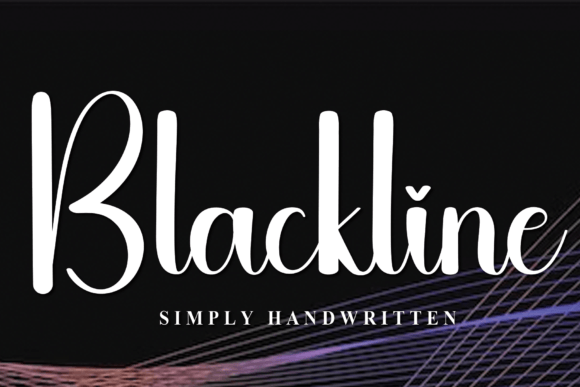
Blackline: A Sweet Handwritten Font for Modern Design
There’s an undeniable warmth to a handwritten font, a human touch that instantly connects with an audience. Blackline is a sweet and friendly handwritten font, and its fresh, neat style makes it a versatile tool for designers seeking to inject personality and approachability into their work. In a digital landscape often dominated by clean, geometric sans-serifs, a well-crafted script like this offers a compelling way to stand out, evoke emotion, and create memorable visual communication.
The Role of Handwritten Typography in Brand Identity
Typography is a cornerstone of brand identity. While primary typefaces often handle clarity and structure, an accent font like Blackline can define a brand's voice. Its friendly, informal character is perfect for businesses aiming to project a sense of authenticity, creativity, or personal service. Think of boutique shops, artisanal food brands, creative agencies, or lifestyle blogs—the right handwritten font can transform a standard logo or tagline into a signature element that feels uniquely crafted and human.
Beyond logos, this style strengthens brand consistency across touchpoints. Using it for subheadings, pull quotes, or accent text in marketing materials creates a cohesive aesthetic that reinforces brand personality. The key is strategic application; it should enhance, not overwhelm, the primary message.
Practical Applications Across Creative Projects
The utility of a font like Blackline extends far beyond wedding invitations. Its clean legibility and charming flair make it suitable for a wide array of design contexts, helping to improve user engagement and visual interest.
- Marketing & Social Media: Create eye-catching headlines for Instagram stories, Facebook ads, or Pinterest graphics. Its handwritten nature feels native to social platforms, boosting relatability and click-through rates.
- Web & UI Design: Use it sparingly for call-to-action buttons, testimonial quotes, or section highlights to break up monotonous text blocks and guide the user's eye. It adds personality to a web design without sacrificing overall usability.
- Editorial & Packaging: In magazine layouts or product packaging, it can be used for feature titles, short descriptions, or decorative elements, adding a layer of sophistication and tactile appeal to the editorial design and packaging design.
- Digital Products & Presentations: Enhance slide decks, e-book covers, or online course materials. A touch of handwritten typography can make educational or professional content feel more accessible and engaging.
Integrating Blackline into Your Design Workflow
Selecting a creative asset is just the first step. Effective integration requires thoughtful consideration of your overall design system. Always evaluate a new font against your existing color palette and primary typefaces. Ensure there is enough contrast in style and weight to create a clear visual hierarchy—Blackline should complement, not compete with, your core typography.
Readability is paramount, especially in digital contexts. Test the font at various sizes and on different screens. Its strength lies in short bursts of text; for long paragraphs, pair it with a highly readable sans-serif or serif font. Consider the emotional alignment: does its sweet, friendly character match the message and the target audience's expectations? This alignment is crucial for effective branding and communication.
Finally, think about scalability. A font that looks beautiful on a wedding card must also hold up in a small social media avatar or a large-format banner. Blackline's neat construction generally supports good scalability, but always proof your designs across mediums.
Thoughtful design choices are what separate good projects from great ones. By incorporating quality creative assets like a versatile handwritten font, you equip yourself to build more compelling brand identities, create more engaging user experiences, and ultimately, communicate your message with greater clarity and impact. The right typography doesn't just display words—it conveys feeling, builds trust, and elevates the entire visual narrative.